The Annual Celebration of Mechanical Cinema: Grand Illusion’s Secret Matinees
Review of Saturday Secret Matinee at Grand Illusion Cinema
Written by TeenTix Newsroom writer CLARA THORSEN and edited by Teen Editorial Staff member ANNA MELOMED
I first went to the Grand Illusion Cinema two years ago to see a 1937 screwball comedy called The Awful Truth. I was just getting into film, and Grand Illusion was simply perfect: a volunteer-run arthouse theater that harbored a strong community while displaying unique films year-round. Since then, I have attended their events frequently, seeing everything from Fugazi documentaries to their annual showing of It’s a Wonderful Life (1946). The Grand Illusion is moving at the end of January, but I was lucky enough to catch the last of their annual Saturday Secret Matinees at the organization’s current location.
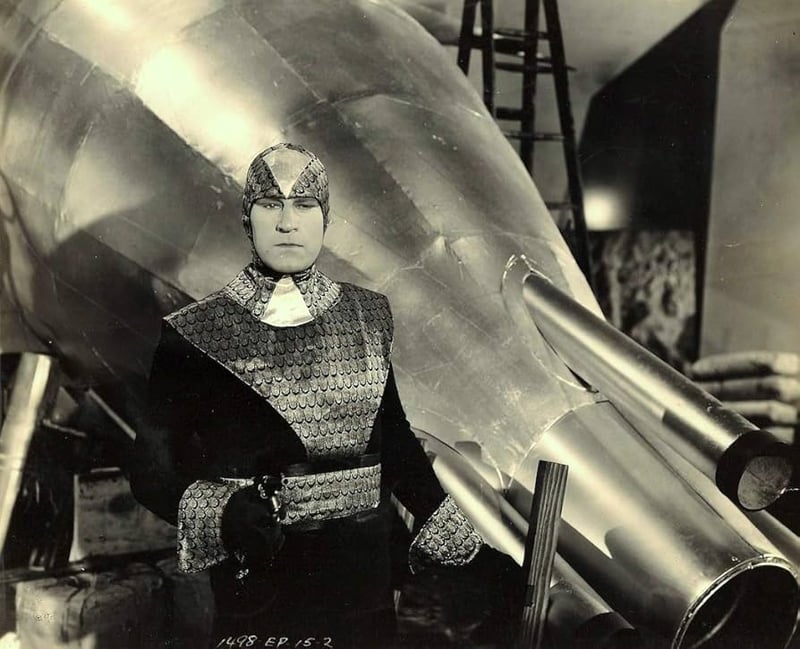
The Saturday Secret Matinees are a long-running program presented by the Sprocket Society, a film appreciation group that curates and screens various eccentric programs, all on 16mm film, a historically popular and accessible form of analog film. The Sprocket Society frequently makes historical callbacks in their programs. For instance, in the first half of the 20th century, the moviegoing experience was inseparable from serial films. These serials were continuous narratives split into short chapters, played at a theater weekly until completion. A typical Saturday matinee at the time would include a serial episode, often shown among other short items, along with a feature-length film. The Sprocket Society recreates this experience yearly, showing an entire serial on film over a few months, along with mystery classic movies to accompany them. I was fortunate enough to speak with Spencer Sundell, the lead projectionist at Grand Illusion, founder of the Sprocket Society, and creator of the Saturday Secret Matinees.