
Was the 'Ham' well smoked?
Review of Fat Ham, a Digital Production by the Wilma Theater
Written by Francisco during an Arts Criticism workshop at Evergreen High School
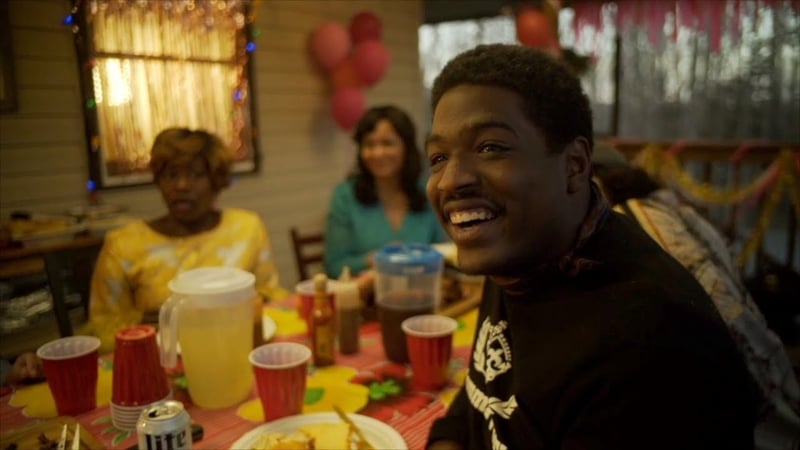
To ham or not to ham? That is today's question for those interested in seeing the recent play adaptation of Shakespeare's Hamlet, Fat Ham’ Fat Ham transforms the original Shakespearean tragedy into a modern drama full of innovative uses of music, humor, and questioning on self identity. Set in the American South, we follow a family that struggles in choosing between tradition and a great change. The elders run a BBQ restaurant and the question is if the new generation will choose to continue or break the family business. This creative but imperfect story has some really good key aspects of it, like its music use or its humor, but their LGBT representation feels overcrowded and less impactful.
Fat Ham is a hilarious play by James Ijames in which Juicy, a queer Black man, gets visited by the ghost of his recently deceased father, Pap, who orders him to kill his brother, Rev. As the play progresses, Juicy navigates family expectations, grief, and questions his identity. Throughout the whole play he will discover new things, such as love, heartbreak and music?
The music in Fat Ham was something that really shocked me when I noticed what was going on. And the truth was that there really was no music. At least not any music that was added in post-editing. All of the music is “live”. Meaning that the characters are the ones producing the music themselves. This was really one of the only times I've seen this technique be used and it was a really wonderful first time. The absence of a constant orchestral soundtrack really just makes the music moments feel more emotional and impactful once we finally get there.
There are two examples which I really love where and how this is used. A bit under the halfway point of the play, Juicy pulls out a karaoke machine and the scene quickly gets chaotic. This scene happened during the big meal after the wedding, at the table with everyone present eating some delicious looking ribs. Tedra (Juicy’s Mom) wanted to sing a song for her newlywed husband. She ends up singing an old 90’s song with a bit of an inappropriate message in it. Once she stops, Juicy sings "Creep" by Radiohead. The fact that they chose "Creep" just shines a light directly on Juicy’s emotions and on how he wants to view himself. On page 51 of the original script, it specifically says that the song he sings has to be "Creep". A song describing all of his wants for himself. And what better way to put it than by singing a song about it.
There’s also a second scene referencing Ophelia's madness from the original Shakespeare play Hamlet, in which she sings along to old hymns with shared context to her current situation. Juicy's having a conversation with his mom until he breaks into song with a guy playing piano shortly after. Both instances aren’t random. They both convey strong emotions, true feelings and even a sense of melancholy. This placement of music, after minutes of not hearing a single soundtrack is something that feels pretty surreal in the moment and I love it. But all things aside, I find it so funny how there’s only like six or seven songs in the whole play.
Okay, that wasn’t funny at all. But what is funny on the other hand is the grand amount of humor used throughout the whole play itself. Specifically how much crude humor was able to carry this whole play. Not only the crude humor but the random fourth wall breaks were really a sight to see. Most plays use some sort of formal idiom so seeing them break through that and make jokes that an everyday person from anywhere would make was really relieving.
Starting the play we can already see in which direction this is all going. We start by such an out of pocket scene of Tio, (their version of Horatio) watching some very, very suggestive content on OnlyFans. This adds nothing to the story at all. They could’ve added them doing anything else but the fact that it’s so out of pocket makes it so much more intriguing and it keeps you hooked on. Especially because of how random the things he says are. A second instance was right before the end of the play when we hear Juicy say how they all need to die now that they’ve reached the end of this story. He also directly references Hamlet by describing how stories like this end (meaning a direct adaptation of Hamlet). And it’s just so funny how they all jump in on the plan of dying, they don't commit to the end but the fact that they considered it without a second thought was hilarious on the first watch.
The humorous moments really work because they just sharply contrast the original Hamlet’s tone. By replacing all of the Shakespearean language with the crude humor just makes the whole play more approachable and to the current audience. The modern language makes it more accessible to audiences who may find the original language intimidating. It just makes it better to have unexpected or crude jokes every once in a while and remind the audience that these are people and not just people reading out a script on screen. Although there is a certain aspect that made them lose their spark towards the end.
There is certainly a lot of LGBTQ+ representation in this adaptation. And it makes sense. A story about overcoming your family expectations and being able to accept yourself would need something like this. But Fat Ham got carried away and added three characters with virtually the same type of character arc which made the moments of reveal lose their meaning by a lot.
Juicy (Hamlet), Opal (Ophelia) and Larry (Laertes), all struggle with the same problems of them having certain expectations that they have to fulfill. Juicy’s case is the most developed character in this story since he’s the one who the whole story revolves around. However, little by little more and more characters start revealing similar struggles so those moments start to lose their impact and the spark that made them special. For example, Larry’s final transformation had the potential to be something beautiful, especially him dressed as something that somewhat resembles a butterfly, commonly known as representing change. But it’s so close to so many other revelations that it just doesn’t match up to other revelations. It still shows how self-acceptance matters but the fact that the play almost relies on those smaller character arcs weakens the individuality of each character.
Despite the very similar character arcs, Fat Ham does a great job of being a modern reinterpretation of Hamlet. Its innovative use of music and really chaotic humor give it a fresh identity compared to the sorrowful tragedy that the original was, making you get a fresh new look at one of his most famous tragedies.
Lead photo courtesy of Wilma Theatre.
The TeenTix Press Corps promotes critical thinking, communication, and information literacy through criticism and journalism practice for teens. For more information about the Press Corps program see HERE.
This review was written as part of an Arts Criticism unit at Evergreen High School in Emily Acquino’s Language Arts classes. Press Corps residencies are made possible by a grant from 4Culture.