A Confrontation with the Color Line: The Baldwin-Buckley Debate, 55 Years Later
Review of Nick Buccola's lecture: Baldwin, Buckley, and the Debate Over Race in America at Town Hall Seattle
Written by TeenTix Newsroom Writer Alison Smith and edited by Teen Editor Olivia Sun
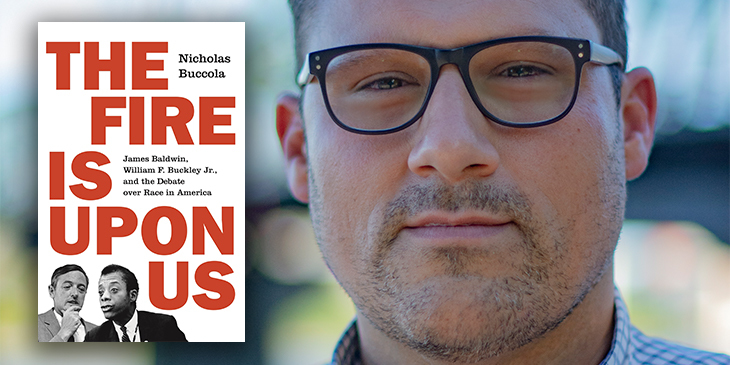
When William F. Buckley and James Baldwin debated each other at Cambridge University in 1965, the auditorium was packed. It was during the height of the Selma campaign and just six months before the Voting Rights Act was passed. As Nicholas Buccola, author of The Fire Is Upon Us, described on February 27, 2020, at Town Hall Seattle, students crowded together on the floor. All were there to see Baldwin, a legendary writer and civil rights advocate, debate Buckley, one of the chief architects of modern conservatism. In his talk, Buccola traces the two men’s upbringings and intellectual journeys that led them to the debate stage to spar over the question, “Is the American Dream at the expense of the American Negro?” In the process, he exposes truths about race relations that still feel relevant 55 years after the debate.
Like any properly interesting debate, the Baldwin-Buckley one is a study in contrasts. Buccola teases apart the differences in the upbringings of these two formidable and influential intellectuals. Baldwin grew up poor in Harlem, and described his household with his eight siblings as “claustrophobic.” Buckley, on the other hand, lived in an expansive estate in Connecticut, and was treated to private tutors and lessons in everything from ballroom dancing to apologetics. The rarefied privilege of Buckley’s upbringing, and the deprivation of Baldwin’s, shaped their views on whether the “racialized hierarchy” was justified and innate, or cruel and discriminatory.